PEF: The Future of Sustainable Packaging
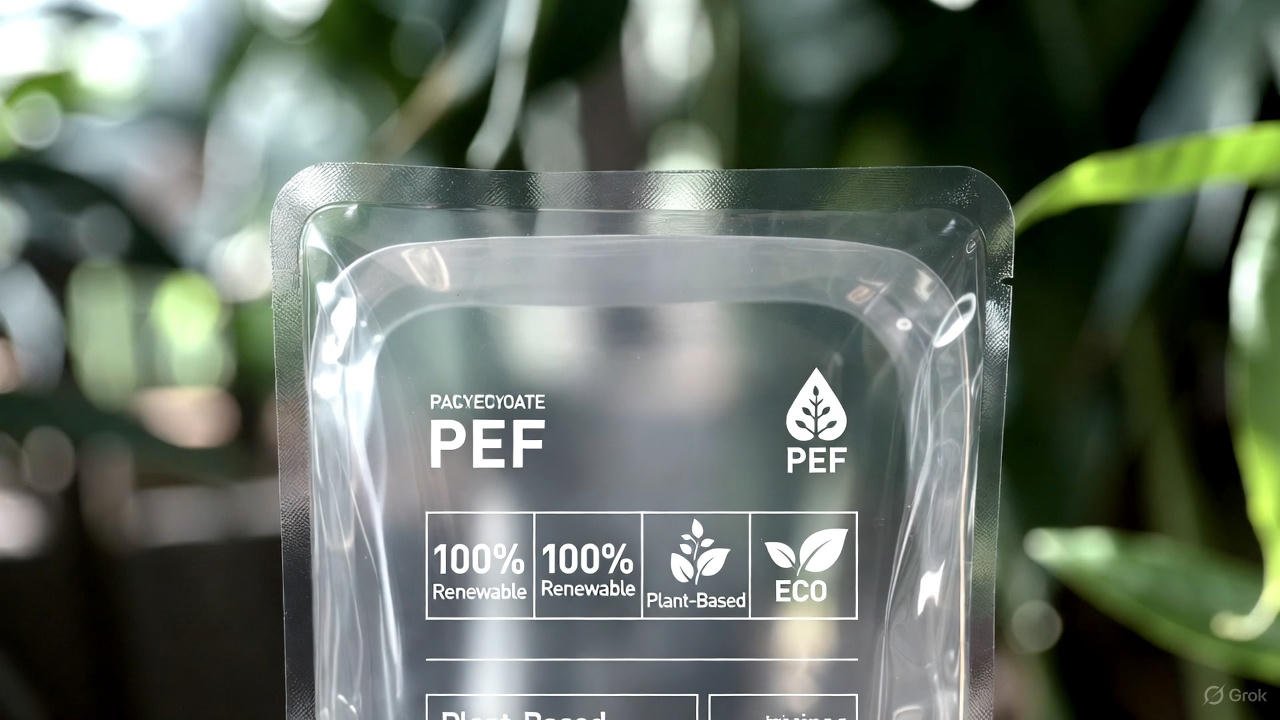
In an era where environmental consciousness drives consumer choices and regulatory pressures, PEF (Polyethylene Furanoate) is emerging as a revolutionary bioplastic. This plant-based polymer promises to replace traditional petroleum-derived plastics like PET (Polyethylene Terephthalate) with a greener, high-performance alternative. From beverage bottles to food packaging, PEF is poised to transform industries while reducing carbon footprints. This article explores what PEF is, how it works, its advantages, challenges, and its potential to reshape sustainable packaging.
What Is PEF?
PEF is a 100% bio-based polymer derived from renewable plant sugars, primarily fructose found in crops like corn, wheat, or sugarcane. It is produced through a fermentation process that converts these sugars into furan-2,5-dicarboxylic acid (FDCA), a key monomer. FDCA is then polymerized with ethylene glycol—also bio-sourced in modern production—to form PEF.
Developed by companies like Avantium in partnership with major brands such as Coca-Cola and Danone, PEF was first conceptualized in the early 2010s. Avantium’s YXY technology enables large-scale production of FDCA, making PEF commercially viable. Unlike conventional plastics, PEF is fully recyclable and compostable under industrial conditions, aligning with circular economy principles.
How PEF Compares to PET
At first glance, PEF resembles PET—the clear, durable plastic used in billions of water and soda bottles worldwide. However, PEF outperforms PET in several critical areas:
| Property | PEF Advantage over PET |
|---|---|
| Barrier Properties | 10x better oxygen barrier; 6x better CO₂ barrier; 3x better water vapor barrier |
| Thermal Resistance | Higher glass transition temperature (up to 87°C vs. PET’s 74°C) |
| Mechanical Strength | Comparable tensile strength with lighter weight potential |
| Sustainability | 100% renewable feedstock; lower lifecycle CO₂ emissions |
These superior barriers mean PEF extends shelf life for oxygen-sensitive products like juices, beer, and sauces—reducing food waste without additional coatings or multi-layer packaging.
Environmental Benefits
PEF’s eco-credentials are compelling:
- Renewable Sourcing: Made from agricultural byproducts or non-food biomass, it avoids competition with food supply chains in second-generation feedstocks.
- Carbon Reduction: Lifecycle analyses show PEF cuts greenhouse gas emissions by up to 70% compared to PET.
- End-of-Life Options: Fully recyclable in existing PET streams (with minor adjustments) or biodegradable in industrial compost facilities.
- Microplastic Prevention: Stronger molecular structure reduces breakdown into harmful microplastics.
Major pilots—like Coca-Cola’s PlantBottle initiative—have already introduced PEF prototypes, signaling industry confidence.
Applications Beyond Bottles
While beverage packaging leads adoption, PEF’s versatility opens doors elsewhere:
- Food Trays & Films: Excellent grease and aroma barriers for meat, dairy, and ready meals.
- Textiles: PEF fibers offer durability and UV resistance for apparel and technical fabrics.
- 3D Printing: High thermal stability suits additive manufacturing.
- Electronics: Thin, flexible PEF films could replace plastic in device casings.
Challenges to Overcome
Despite its promise, PEF faces hurdles:
- Cost: FDCA production remains 2–3 times more expensive than petrochemical alternatives. Scaling and feedstock optimization are key.
- Infrastructure: Recycling systems must adapt to separate or co-process PEF with PET to avoid contamination.
- Supply Chain: Securing consistent, sustainable biomass without deforestation or land-use conflicts is critical.
- Consumer Awareness: Brands must educate markets on PEF’s benefits to justify potential price premiums.
Avantium’s Rayong, Thailand plant—set to produce 5,000 tons of FDCA annually starting in 2024—marks a milestone toward cost parity by 2030.
The Road Ahead
With EU Green Deal targets and global plastic treaties looming, PEF aligns perfectly with mandates for recycled and bio-based content. Partnerships between chemical giants (BASF, Synvina) and consumer brands signal accelerating momentum. Analysts predict PEF could capture 10–15% of the $600 billion packaging market by 2035 if production scales efficiently.
Conclusion
PEF isn’t just another bioplastic—it’s a drop-in replacement with superior performance and genuine sustainability. As technology matures and costs decline, PEF will likely become the gold standard for responsible packaging. For brands, adopting PEF isn’t merely compliance; it’s competitive advantage in a plastic-conscious world. The future of packaging isn’t petroleum—it’s plant-powered.