Gold News: Market Surge, Central Bank Buying, and Investment Outlook for 2025
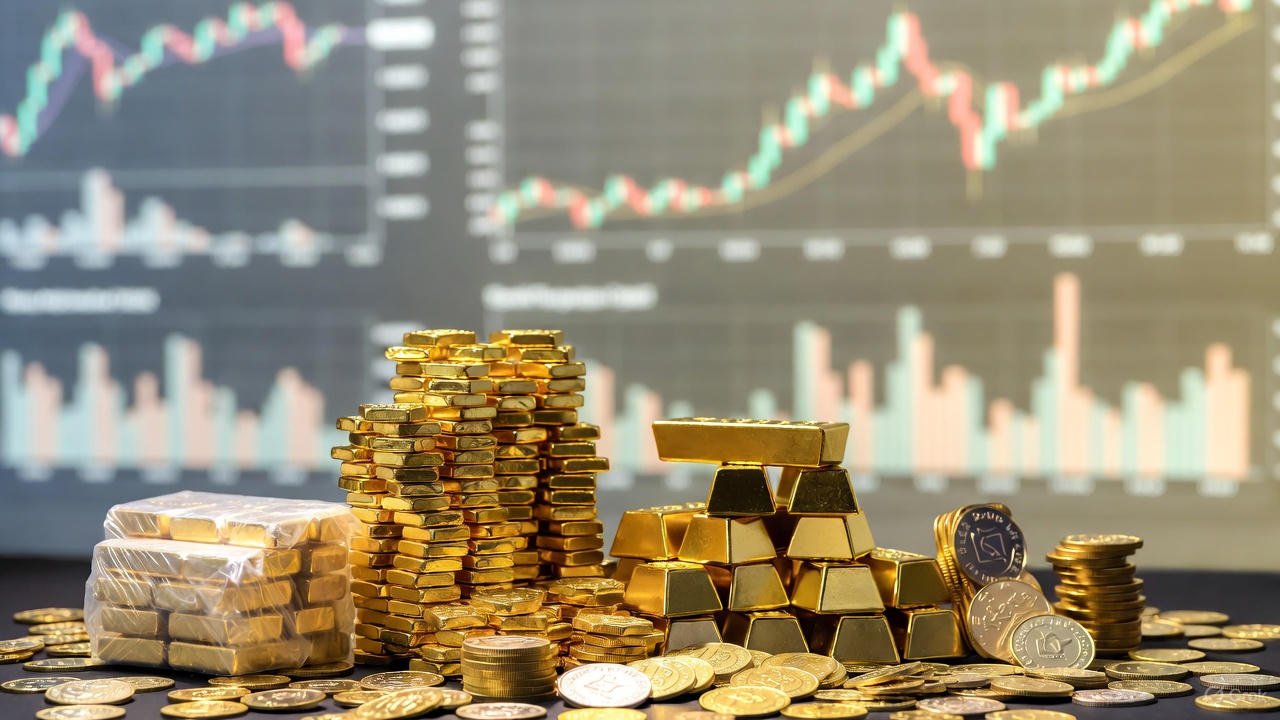
Gold prices have rallied to new highs in 2025, surpassing $2,800 per ounce in early November, driven by persistent geopolitical tensions, aggressive central bank purchases, and renewed investor interest in safe-haven assets. The yellow metal, long regarded as a hedge against inflation and currency devaluation, is on track for its strongest annual performance since 2010.
Central Banks Lead the Charge
The World Gold Council reports that global central banks purchased over 1,100 tonnes of gold in the first three quarters of 2025—the highest level in more than a decade. Emerging market banks, particularly in China, India, and Turkey, have been the most active buyers, diversifying reserves away from the U.S. dollar amid concerns over sanctions and trade fragmentation.
“Gold is no longer just a portfolio diversifier—it’s a strategic asset in a multipolar financial world,” said Juan Carlos Artigas, Head of Research at the World Gold Council.
China’s People’s Bank added 85 tonnes in Q3 alone, bringing its total holdings to over 2,300 tonnes. Meanwhile, the Reserve Bank of India increased its gold reserves by 42 tonnes year-to-date, signaling growing confidence in physical bullion over foreign bonds.
Geopolitical and Macroeconomic Drivers
Gold’s rally has been fueled by:
- U.S. Federal Reserve rate cuts: Two 25-basis-point reductions in 2025 have weakened the dollar and lowered the opportunity cost of holding non-yielding assets.
- Middle East tensions: Ongoing conflicts and supply chain risks in the Red Sea have boosted safe-haven demand.
- U.S. debt ceiling debates: Political gridlock in Washington has reignited fears of long-term fiscal instability.
Spot gold traded at $2,815.40/oz as of 07:00 AM PKT on November 11, up 1.8% from the previous close and 34% higher year-over-year.
Investment and Retail Demand
Exchange-traded funds (ETFs) saw $12.4 billion in inflows in October—the largest monthly total since March 2022. Retail demand remains robust in Asia, with India’s wedding season and China’s post-Lunar New Year buying pushing physical premiums to multi-month highs.
In Pakistan, local gold prices in the interbank market reached PKR 258,000 per tola (11.66 grams), reflecting both global trends and a 15% depreciation in the Pakistani rupee against the dollar in 2025.
Mining Sector Challenges
Despite high prices, gold miners face margin pressure from rising energy and labor costs. All-in sustaining costs (AISC) averaged $1,420/oz in Q3, up 12% year-over-year. Companies like Newmont and Barrick Gold have ramped up hedging to lock in profits, while exploration budgets remain constrained.
Outlook: Bullish but Volatile
Analysts forecast gold averaging $2,750–$2,900/oz in 2026, with upside risks if global growth slows or inflation reaccelerates. However, a stronger U.S. dollar or aggressive Fed tightening could cap gains.
“Gold thrives in uncertainty,” said Ole Hansen, Head of Commodity Strategy at Saxo Bank. “As long as central banks keep buying and geopolitical risks persist, the path of least resistance remains higher.”
For investors, gold remains a core allocation in diversified portfolios—especially in an era of elevated policy and market volatility.